“The Summit inspired me to use my voice and say what I believe. I would recommend this experience to my peers.”
~11th-grade student, Shaw High School
Why Mental Health Matters
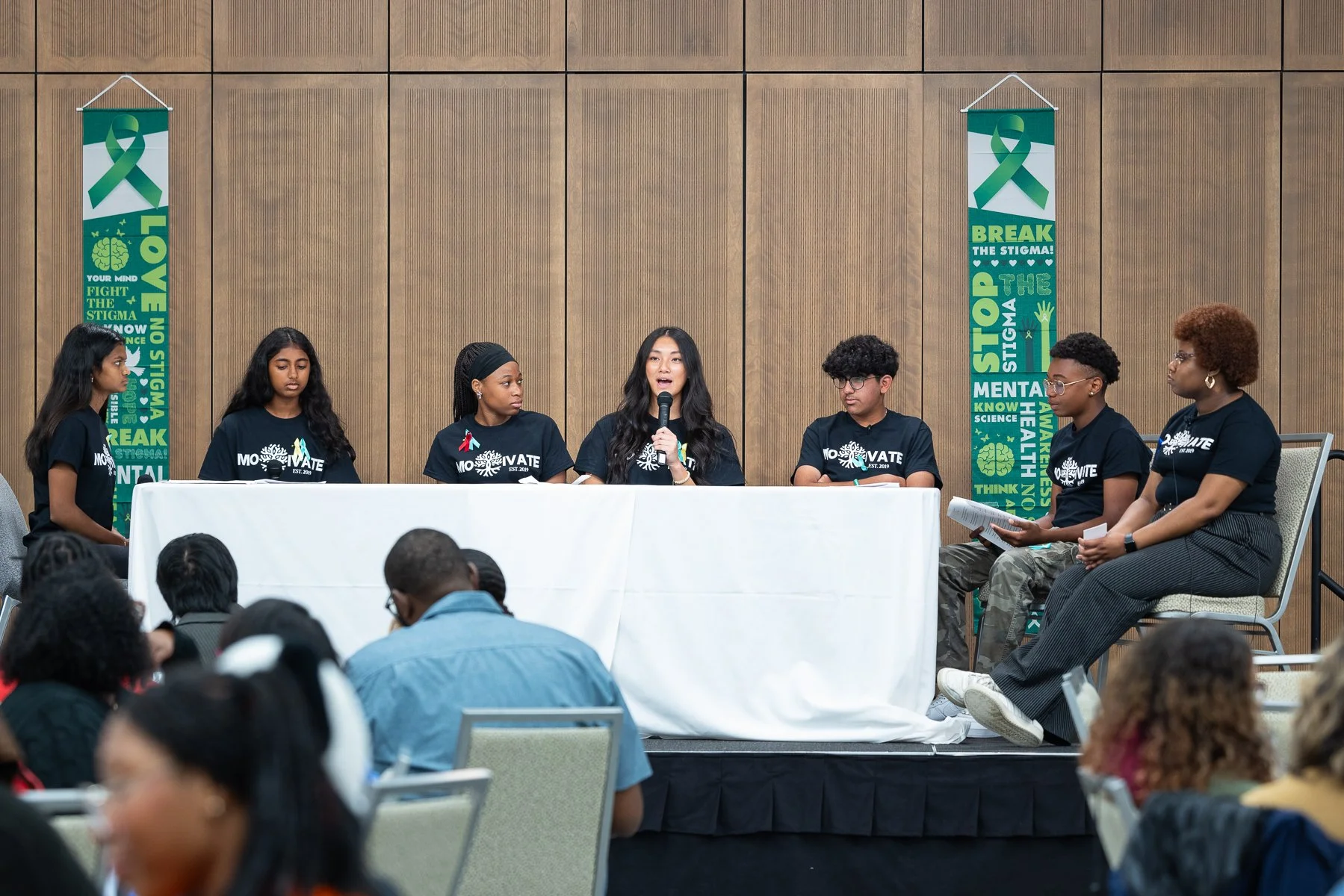
The Mental Health Matters Youth Summit was created to provide high school students with a welcoming space to have honest conversations about mental health, connect with supportive adults and organizations, and leave with practical resources they can use in their everyday lives.
Too often, young people are expected to manage stress, anxiety, grief, community violence, academic pressure, and other challenges without having enough opportunities to openly discuss what they are experiencing. This summit was created to remind students that their mental health matters, their voices deserve to be heard, and they do not have to navigate life’s challenges alone.

How It Started
The Mental Health Matters Youth Summit was founded by Ariana Smith after she presented the idea at Accelerate in 2024. The pitch grew from her desire to create a space where young people could be supported, encouraged, and connected to meaningful conversations and resources surrounding their mental health.
Ariana serves as the Associate Director of Student Programs at the City Club of Cleveland and has worked as an educator and youth engagement professional for more than a decade. Through her work with students, she has seen the importance of creating spaces where young people feel comfortable speaking honestly, asking questions, and connecting with adults and organizations that are prepared to support them.
What began as a pitch became the first Mental Health Matters Youth Summit and has continued to grow each year, bringing together students, educators, mental health professionals, community organizations, speakers, and youth advocates from across Greater Cleveland.
Created With Young People in Mind
The summit is designed with young people, not simply for them.
Each year, students are invited to help shape the planning process by sharing their perspectives on the topics, experiences, and challenges that matter most to them. Their input helps guide the summit’s programming and ensures that the conversations remain relevant, engaging, and responsive to the needs of high school students.
During the summit, students are encouraged to participate, ask questions, express themselves, explore healthy coping strategies, and connect with trusted resources. Programming may include interactive workshops, student-led conversations, keynote speakers, creative expression, community partners, and opportunities for reflection and connection.